The flagship
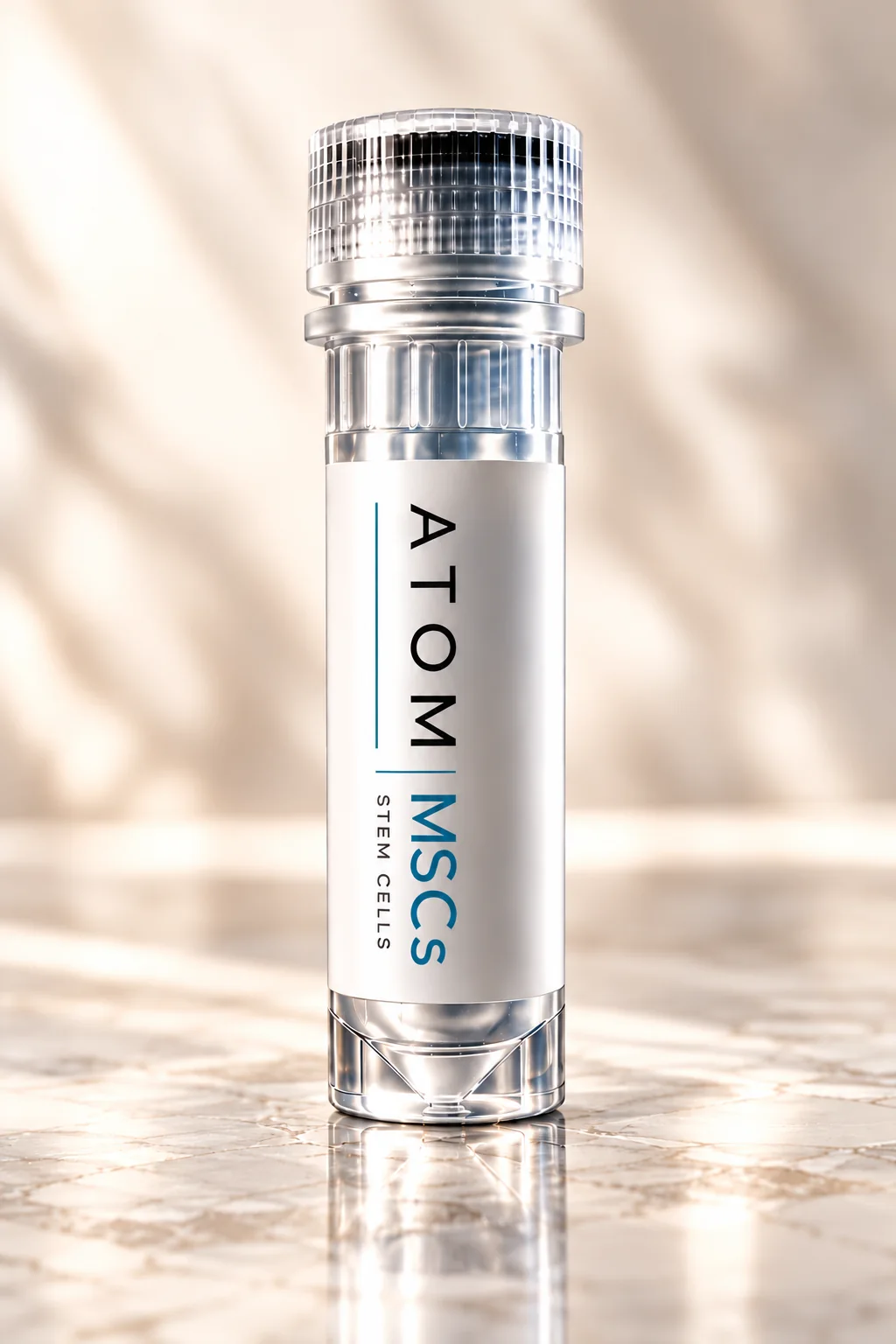
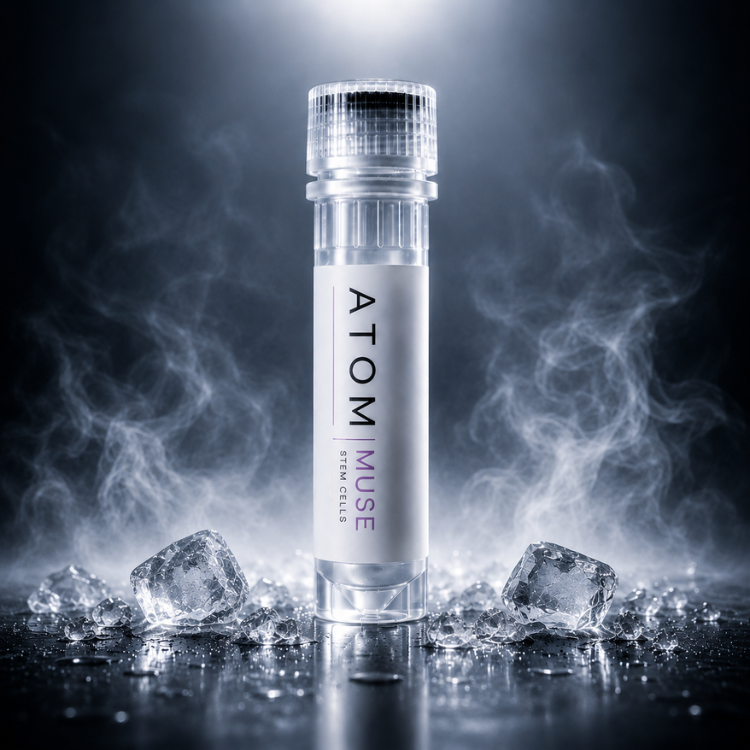
ATOM MUSE (SSEC™)
Muse Cells · Stress-Selected Enduring Cells
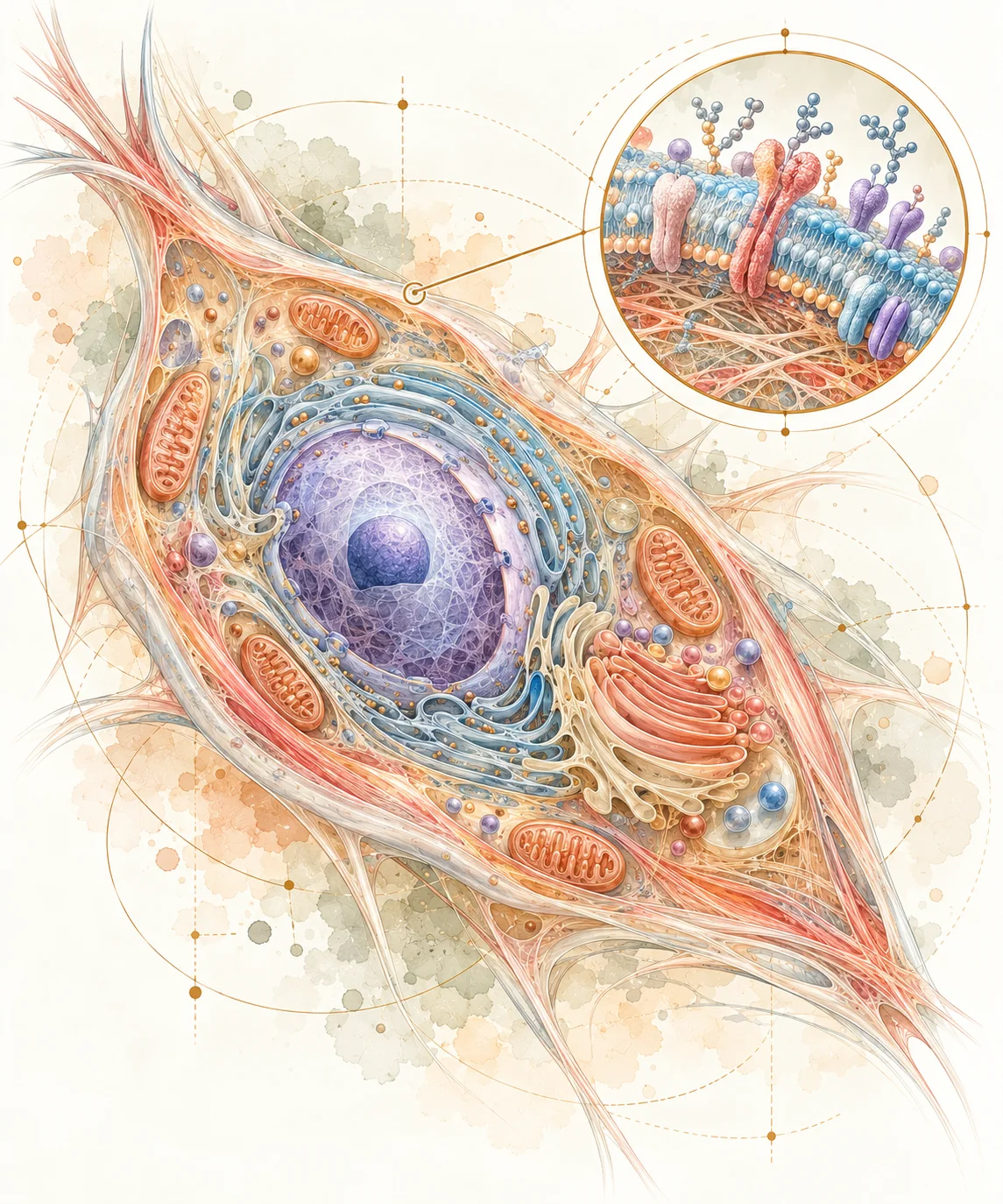
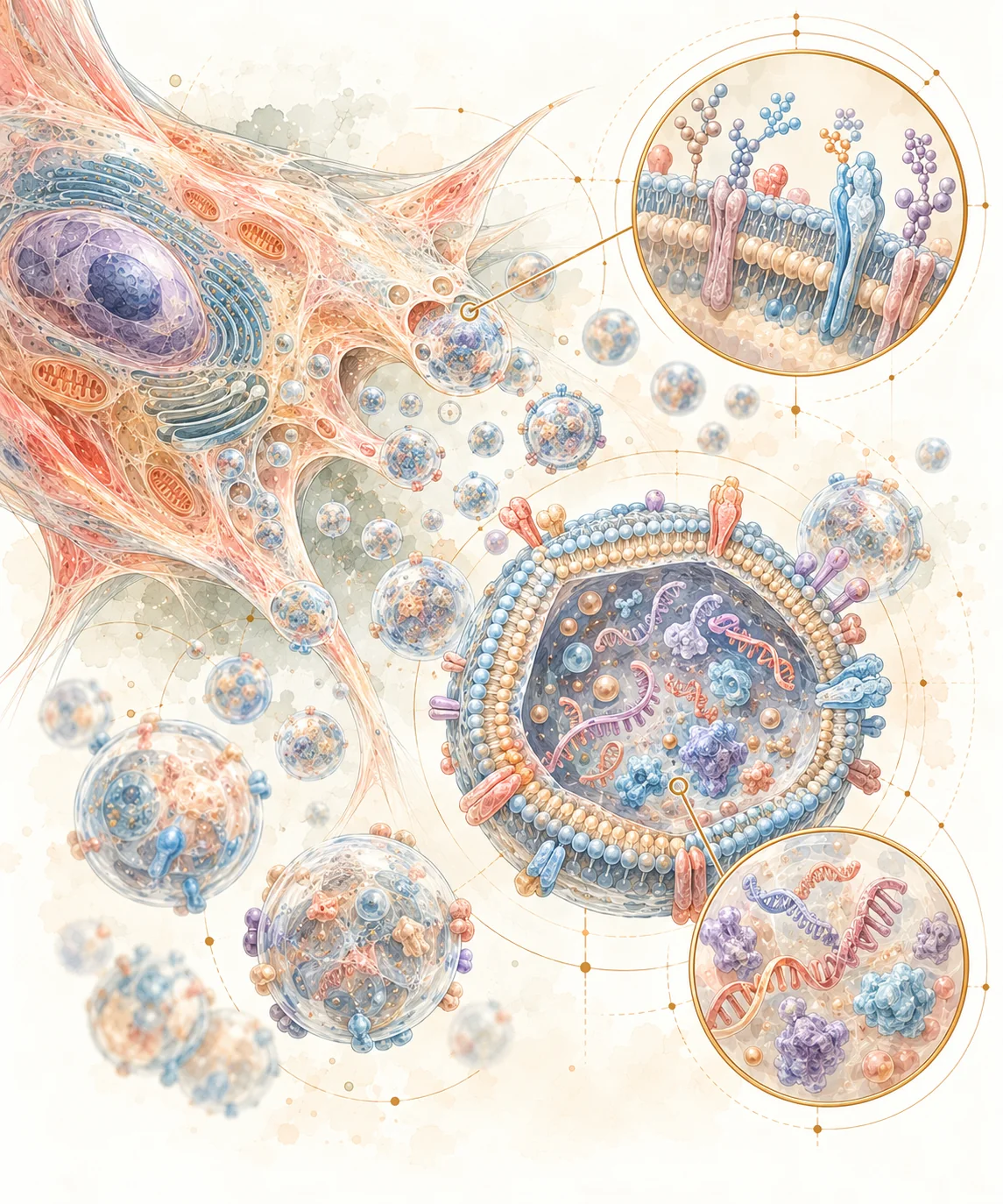
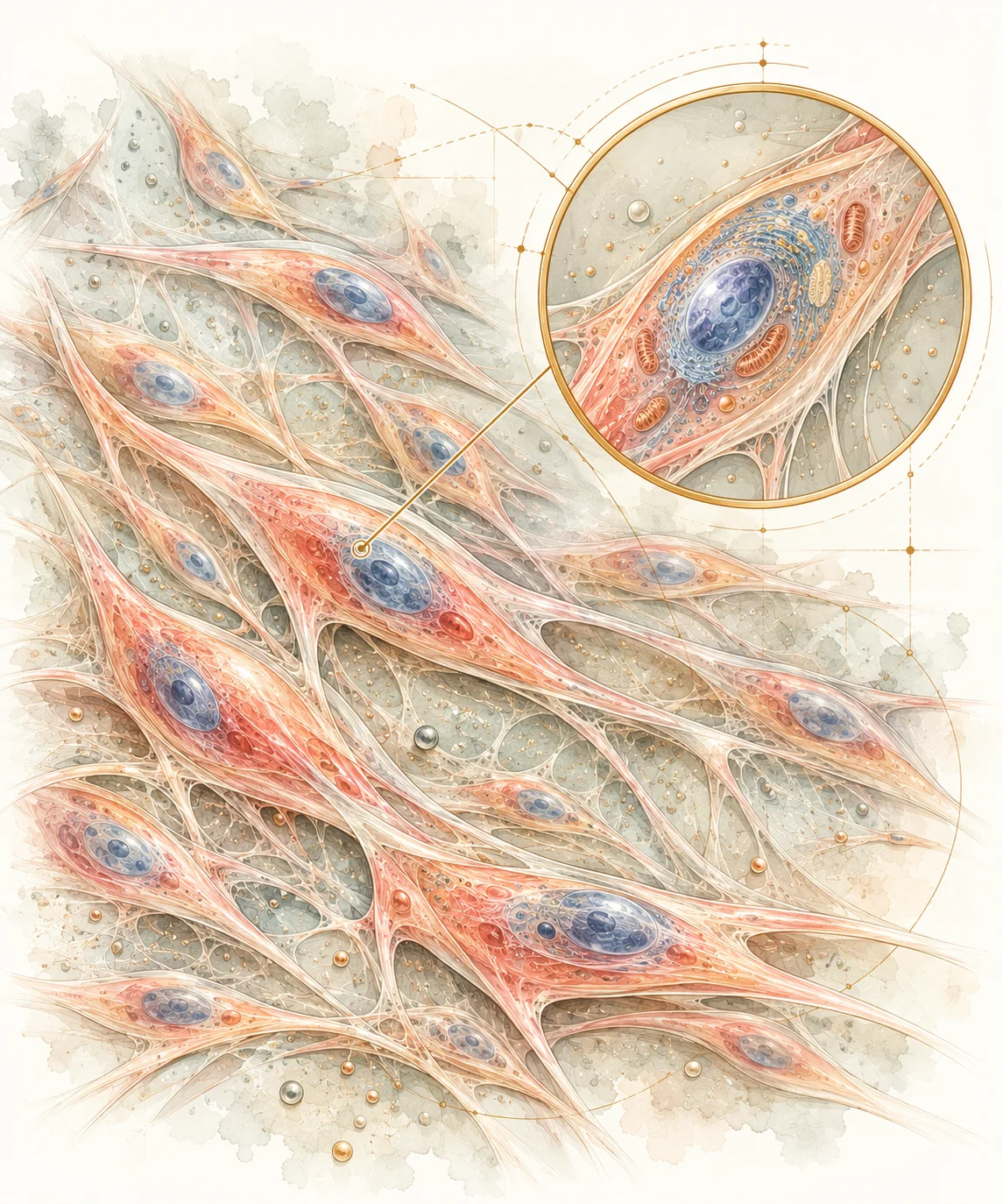
The most rigorously prepared format in the line. Muse cells (multilineage-differentiating stress-enduring cells) are a rare, naturally occurring subpopulation of mesenchymal stem cells, identified by the SSEA-3 marker. ATOM MUSE is isolated through controlled environmental conditioning: taken through hypoxic, low-temperature selection so only the most resilient fraction endures. 70% SSEA-3 positive. Released at 95% post-thaw viability. Available by provider consultation, for IV or injection. Intended for provider-directed use within applicable law and the provider's scope of practice.
IV InfusionSite-Specific Injection
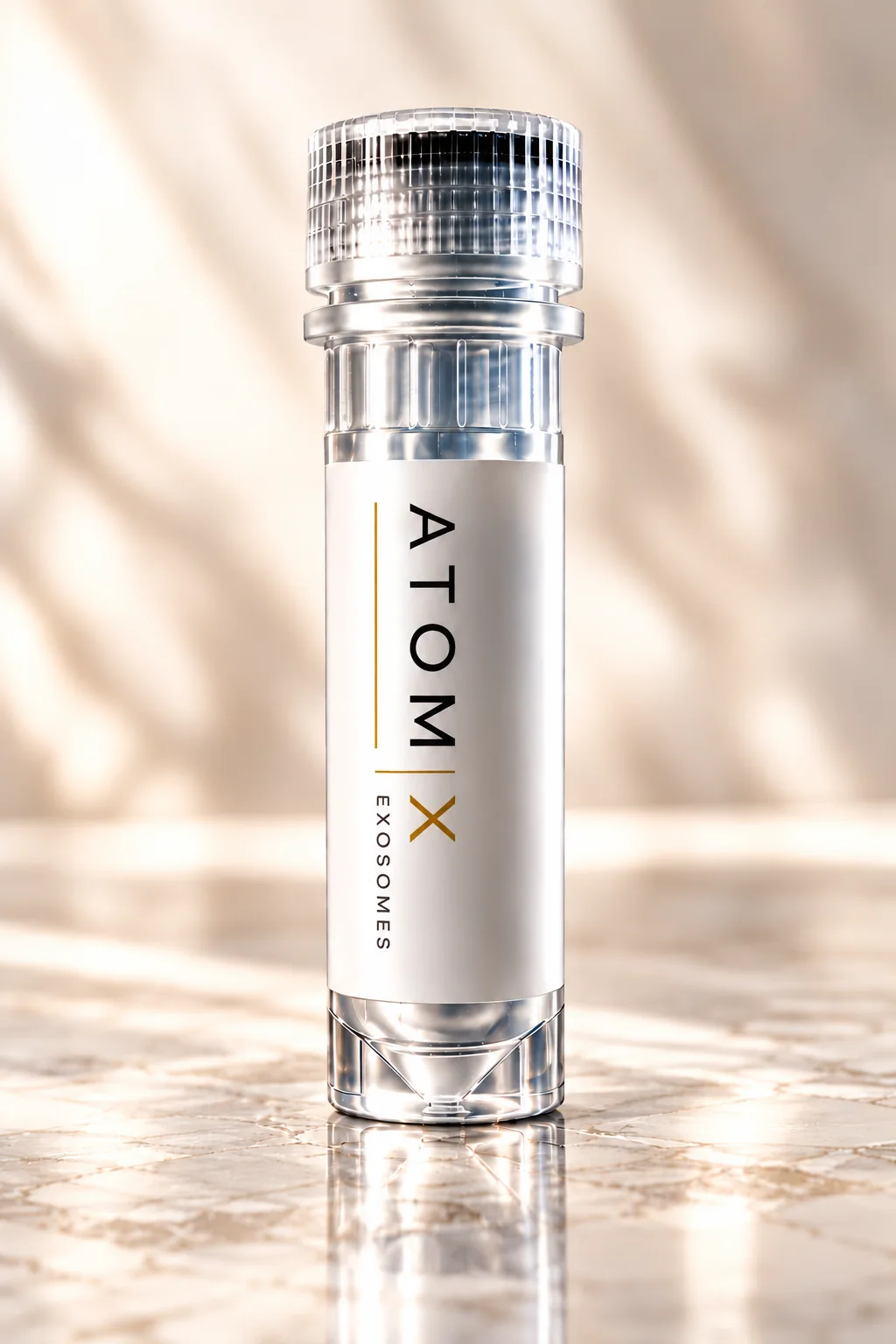
1 mL70% SSEA-3 Positive95% Post-Thaw ViabilityDMSO-Free Cryopreservation SolutionConsultation Required+ Complimentary ATOM X